CET Leonhardt GmbH
02 / SERVICES

Engineering services across the digital system.

From a focused software tool to connected infrastructure, each service is shaped around purpose, operating context, and responsible delivery.

Service catalogue

01

Custom software development

Purpose-built software for workflows and requirements that established products do not address well.

Typical scope — Discovery, architecture, implementation, testing, documentation, and deployment planning.

Potential deliverables — A web or desktop application, service layer, technical documentation, automated tests, and release materials.
02

Web applications

Responsive browser-based systems for internal operations, customer-facing services, or specialized digital tools.

Typical scope — Interface architecture, frontend and backend engineering, data handling, accessibility, and performance.

Potential deliverables — Responsive interfaces, APIs, data models, authentication flows where required, tests, and operating guidance.

03

Cloud and infrastructure

Technical foundations for reliable deployment and operation across suitable cloud or hosted environments.

Typical scope — Environment design, configuration, deployment pipelines, observability, backup planning, and documentation.

Potential deliverables — Infrastructure definitions, environment configuration, deployment workflows, monitoring setup, and runbooks.

04

Systems integration

Controlled exchange of information between applications, services, and business processes.

Typical scope — API integration, data mapping, validation, synchronization, error handling, and operational visibility.

Potential deliverables — Integration services, adapters, transformation rules, reconciliation tools, logs, and documentation.

05

Workflow automation

Automation of repeatable, rule-based activities to reduce manual transfer and clarify exceptions.

Typical scope — Process mapping, triggers, validation, notifications, approvals, and exception handling.

Potential deliverables — Automated workflows, supporting services, control views, audit information, and operating instructions.

06

Technical consulting

Focused technical analysis to support architecture, modernization, delivery, or platform decisions.

Typical scope — System assessment, options analysis, risk identification, architecture review, and implementation planning.

Potential deliverables — Written findings, decision records, architecture proposals, risk registers, and sequenced recommendations.

07

Maintenance and ongoing support

Continued technical care for delivered or established software and infrastructure.

Typical scope — Updates, issue investigation, dependency management, monitoring review, documentation, and measured enhancement.

Potential deliverables — Maintenance releases, diagnostics, change notes, updated documentation, and prioritized improvement plans.

Technical foundation

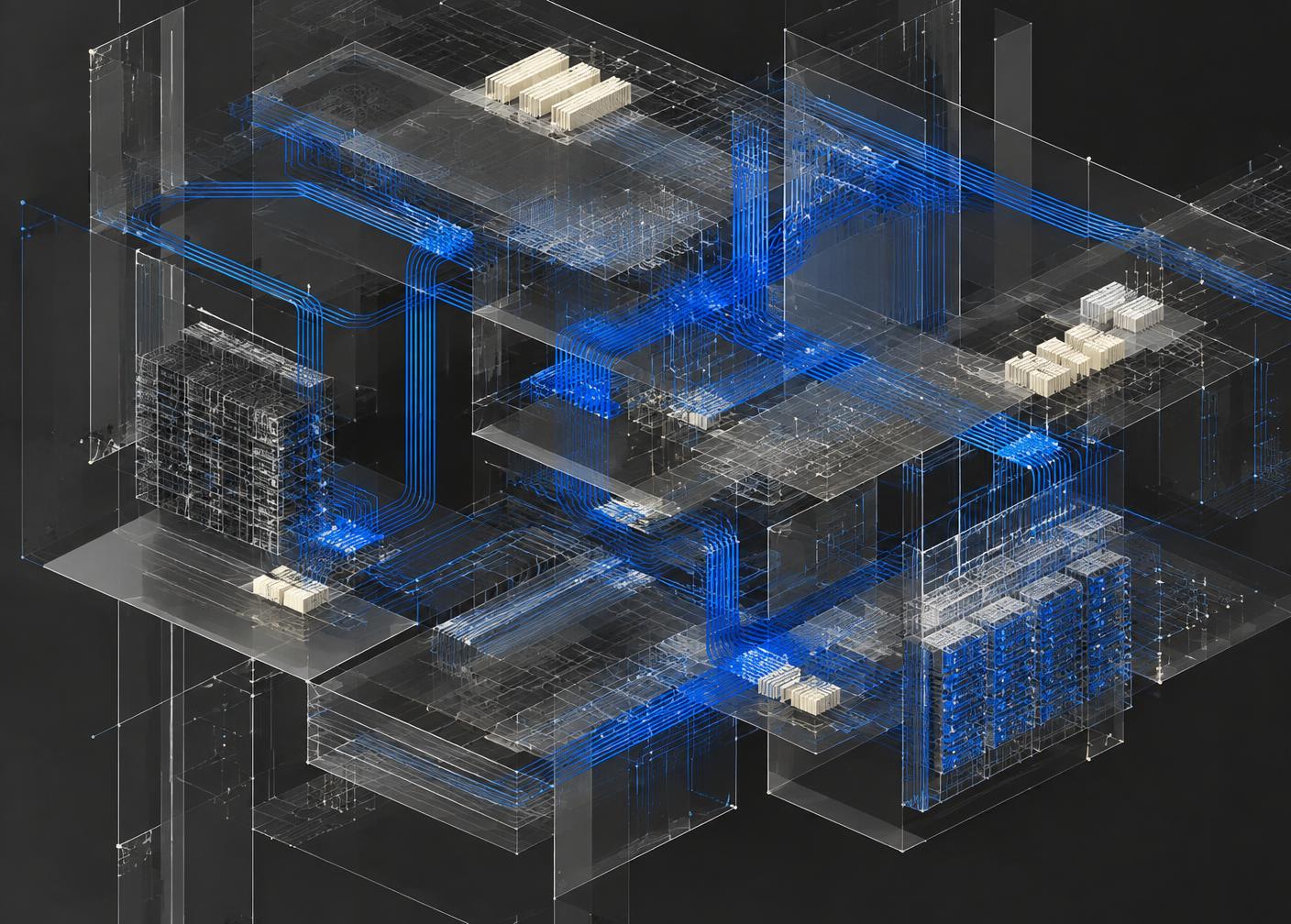
Infrastructure designed as part of the product.

Environments, deployment paths, monitoring, access, and recovery considerations influence whether a system can be operated with confidence. They are planned alongside application behavior rather than after it.

Layered abstract cloud and infrastructure architecture

Delivery process

A sequence that keeps decisions reviewable.

  1. 01

    Discover

  2. 02

    Define

  3. 03

    Build

  4. 04

    Verify

  5. 05

    Operate

Service FAQ

Scope and delivery questions.

01

Can services be combined?

Yes. A project may combine application development, infrastructure, integration, consulting, and support when the work requires them.

02

Are deliverables fixed for every engagement?

No. Deliverables are selected according to the problem, scope, operating context, and responsibilities agreed for the work.

03

Is technical consulting available without implementation?

Consulting can be a focused engagement that produces analysis, options, and recommendations without a subsequent build phase.

04

Are prices or delivery guarantees published?

No. Scope, dependencies, responsibilities, and delivery conditions need to be understood before commercial terms can be defined.